All‑terrain riders in the United States increasingly turn to aluminum fat tire bikes for lightweight strength, rugged durability, and confident control across sand, snow, dirt, and rocky trails. This guide highlights five standout options that emphasize four-inch or larger fat tires, aluminum frames or rims, and reliable braking systems. Each entry includes a quick snapshot of features to help you compare performance, maintenance, and riding style. Whether you’re shopping for a versatile daily rider or a weekend explorer, these picks are designed to deliver traction, stability, and ride quality on diverse surfaces.
| Product | Brand | Key Innovation |
|---|---|---|
| Omelaza 26″ Fat Tire MTB | Omelaza | Dual aluminum disc brakes, 7‑speed setup |
| Mongoose Argus ST Fat Tire MTB | Mongoose | 4″ fat tires, steel hardtail, versatile sizing |
| Mongoose Argus Trail Fat Tire MTB | Mongoose | Tectonic T2 aluminum frame, lightweight |
| Mongoose Argus Sport Fat Tire MTB | Mongoose | Hydraulic discs, tapered aluminum frame |
| ZTZ Fat Tire Wheel Front Wheel | ZTZ | High-strength aluminum rim, reinforced spokes |
Omelaza 26 Inch Fat Tire Mountain Bike

The Omelaza fat tire model features four-inch wide tires that deliver superior traction across gravel, dirt, and even light snow. Its aluminum dual disc brakes enhance stopping power and control, supporting safe handling on varying terrain. A 7‑speed system broadens riding options for flat routes and challenging hills, making it suitable for riders seeking adaptability without extra weight. The bike’s balanced geometry aims to provide stability for both men and women on mixed surfaces, including urban paths and off‑road adventures.
Mongoose Argus ST Fat Tire Mountain Bike
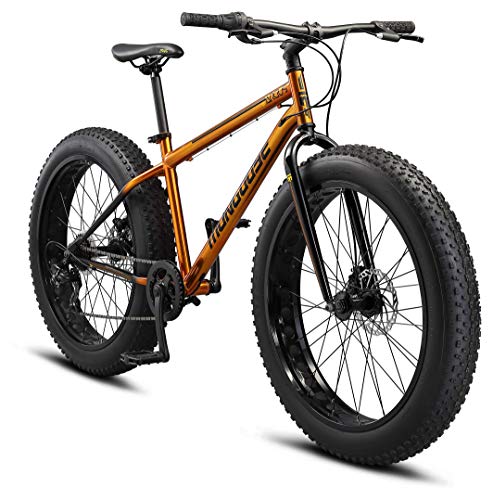
The Argus ST brings a sturdy steel hardtail and 4-inch fat tires to rough terrains, with 26-inch wheels compatible for a wide rider range. The bike is designed for all‑season use, delivering strong grip on loose sand, snow, or gravel. Its rugged build supports rough trails while maintaining practical weight for agile handling. This model emphasizes durability and straightforward maintenance, suited for riders who value reliability on unpredictable conditions.
Mongoose Argus Trail Fat Tire MTB
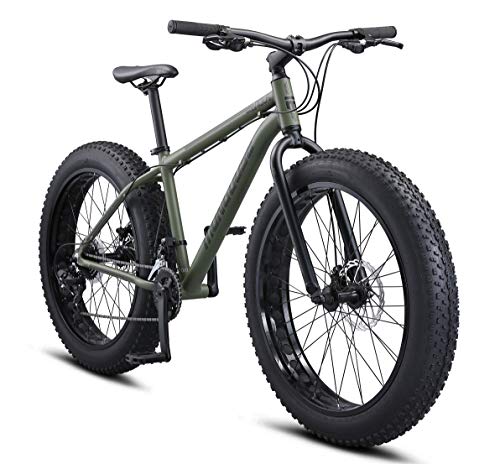
The Argus Trail focuses on a lightweight yet sturdy aluminum hardtail framework paired with 26-inch wheels and 4-inch fat tires. Its compact, aluminum rigid fork helps minimize weight while maintaining rigidity for improved control on tricky terrain. The 16‑speed setup provides a wide gearing range, allowing riders to manage elevations and varying trail conditions with ease. It is well-suited for riders who want a nimble fat bike that still handles rugged environments confidently.
26 Inch Aluminum Rims Fat Tire Bike Wheels (Wheelset)
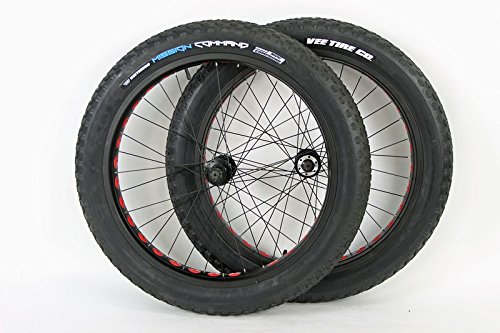
This product represents a wheelset option featuring 80mm single‑walled aluminum alloy rims. It comes with tires and Schrader tubes mounted and ready. While not a complete bike, this wheelset enhances fat tire builds with reinforced rims and sturdy spokes, contributing to durability and ride stability on harsh terrains. It suits riders who are customizing or upgrading a frame with fat tires and require robust, lightweight rims to support heavy use.
Mongoose Argus Sport Fat Tire MTB

The Argus Sport emphasizes a Tectonic T2 aluminum frame with hydraulic disc brakes and a 26-inch wheel configuration. The smaller frame size targets riders within a mid to taller range, offering a balance of stiffness and compliance for aggressive trail riding. The combination of a tapered head tube and drilled rims enhances steering precision and overall ride feel. This model is geared toward riders seeking reliable braking performance and a responsive steel‑reinforced aluminum platform for challenging fat tire trails.
Mongoose Argus ST Fat Tire Mountain Bike for Youth

The Argus ST for youth features a 24-inch wheel setup with a 4-inch fat tire profile. The aluminum rims and robust frame are designed to handle varied terrain while remaining manageable for younger riders. With 7 speeds and a durable build, this model aims to provide an approachable entry point into fat tire mountain biking for kids and teens, promoting confidence across different surfaces and conditions.
Buying Guide: Key Purchase Considerations for Aluminum Fat Tire Bikes
- Rim and frame materials: Aluminum frames and rims balance weight and strength. Look for alloy rims with reinforced spokes for better durability on rough surfaces.
- Tire width and tread: Four inches or more provides excellent traction on sand, snow, mud, and loose gravel. Check tread patterns that match your preferred terrain—more aggressive treads excel in mud and snow, while smoother treads are efficient on hardpack.
- Braking system: Hydraulic discs offer consistent braking power in wet conditions. Dual aluminum disc brakes on some models deliver strong, fade-resistant stopping performance on steep descents.
- Gearing range and drivetrain: A wider gearing range (more speeds) helps tackle hills and varied terrain. Consider whether you prefer simpler maintenance (single speed or fewer gears) or broader options for hill climbing.
- Wheel size and bike fit: Most fat bikes use 26‑inch wheels, but some models provide size variations to accommodate different rider heights. Ensure the frame size and stand-over height fit your torso and leg length for optimal control.
- Weight and handling: Aluminum frames are typically lighter than steel, aiding acceleration and maneuverability. However, rugged components can add weight; balance needs with durability for your riding style.
- Upgrades and compatibility: If you plan future upgrades (pump tires, tubeless setups, better brakes), verify compatibility with your chosen model’s wheel and brake standards.
- Maintenance access: Check parts availability and ease of maintenance for components like derailleurs, brakes, and hubs. Accessible service helps keep the bike reliable on long trips.
All five options emphasize sturdy aluminum construction, reliable traction, and braking systems designed for mixed-terrain adventures. When selecting a model, prioritize the terrain you ride most, your height and riding range, and how much weight you’re willing to manage on trail days. A test ride where possible can reveal how the bike handles in the real world, ensuring the final choice matches your comfort and safety preferences across diverse environments.