Choosing the right 20-inch bike with hand brakes helps kids develop confidence and control while ensuring safety. This guide highlights top pediatric-friendly options with front and rear hand braking, plus reliable build quality and kid-centric design. Each model listed below offers easy setup, durable frames, and rider-friendly geometry to suit children ages roughly 6–10. Use the buying guide at the end to compare key features and make an informed choice for growing riders.
The following summary table provides a quick glance at the selected bikes. It includes brand, model, and key braking features to help you compare at a glance.
| Brand | Model | Hand Brakes | Wheel Size | Notes |
|---|---|---|---|---|
| RoyalBaby | Freestyle 20″ White | Front Hand Brake & Rear Coaster Brake | 20 inches | Lightweight build with sealed bearings |
| RoyalBaby | Freestyle 7 20″ Blue | Two-Hand Brakes | 20 inches | Sporty design; training-friendly geometry |
| Schwinn | Elm 20″ | Front & Rear Hand Brakes | 20 inches | SmartStart tech; adjustable seat |
| Schwinn | Koen 20″ | Front & Rear Hand Brakes | 20 inches | Ergonomic design; easy braking transition |
| Retrospec | Koda Plus 20″ | Front Hand Brakes | 20 inches | Growth-adjustable; lightweight for kids |
RoyalBaby Freestyle 20″ White — Safe & Easy to Assemble

The RoyalBaby Freestyle 20″ White is designed for quick setup, with roughly 95% of the bike assembled. It includes a front hand brake and rear coaster brake for reliable stopping, plus a sturdy steel frame. Wide 2.4-inch pneumatic tires contribute to stability on varied surfaces, making it suitable for new riders learning balance and braking. The exclusive brake lever and sealed bearings from 2019 aim to deliver smooth, predictable braking and pedaling as kids grow.
RoyalBaby Freestyle 7 20″ Blue — Sporty Two-Hand Brakes

The RoyalBaby Freestyle 7 adds a more athletic aesthetic with metallic paint and enhanced color contrasts. It features two-hand brakes for precise control and an optimized geometry that supports learning without training wheels. RoyalBaby’s patented sealed bearings help maintain smooth pedaling, while a jet-engine-inspired water bottle adds kid-friendly flair. This model emphasizes a safe learning curve with responsive braking and a lighter, close-to-kid frame design.
Schwinn Elm 20″ — SmartStart Braking & Easy Transitions
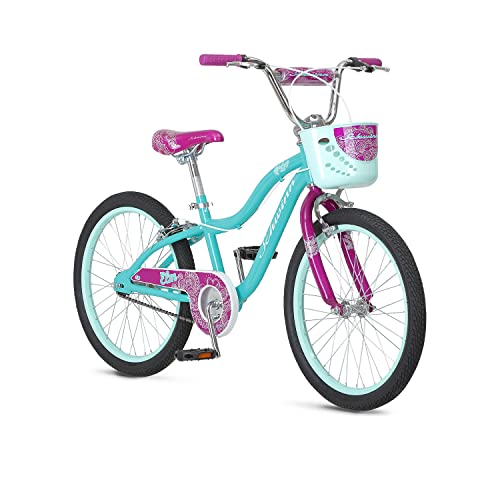
The Schwinn Elm combines SmartStart stability with a low standover height, making it easier for kids to mount and dismount. It uses a traditional rear coaster brake for initial learning and adds a front hand brake to ease transitions to larger bikes. The result is a balanced introduction to braking skills, with a lightweight frame and appropriately scaled components for riders between 48 and 56 inches tall.
Schwinn Koen 20″ — BMX-Style with Hand Brakes

The Schwinn Koen brings a BMX-inspired look with a front and rear hand brake setup. The bike is designed to be easy to handle with a lightweight frame and a low standover height. It emphasizes quick starts and comfortable handling, helping kids build confidence as they master braking techniques and maneuvering on two wheels.
Retrospec Koda Plus 20″ — Adjustable Reach Hand Brake

The Retrospec Koda Plus prioritizes growth compatibility, offering an adjustable brake lever reach to fit smaller hands. It features front hand brakes and a removable training wheel option, making it versatile for beginners and early learners who need a bit more stability. The frame is lightweight, supporting easy handling and safe, controlled braking as kids gain experience.
Buying Guide: Key Considerations For 20-Inch Hand-Brake Bikes
When selecting a 20-inch bike with hand brakes, consider these factors to ensure safety, progression, and long-term value for your child.
- Brake System: Front hand brakes combined with a rear braking mechanism (coaster or hand brake) help children learn coordinated braking without losing balance. Two-hand brake models can accelerate mastery for older or more confident riders.
- Frame and Stem Fit: Lightweight steel or aluminum frames with a low standover height reduce the risk of falls during mounting and dismounting. A reversible or adjustable seat and handlebar height support growth.
- Braking Ergonomics: Reach-adjustable brake levers and easily reachable controls are essential for small hands. Levers should be usable without excessive finger strain.
- Safety Features: Enclosed chains, chain guards, and non-slip pedals reduce injury risk. Reflective elements or bells can improve visibility for younger riders on low-traffic routes.
- Wheels and Tires: 20-inch wheels paired with wider tires offer stability and a smoother ride, especially on varied surfaces. Pneumatic tires can absorb more small bumps than rigid tires.
- Growth Path: A bike that adapts to your child’s height and leg length reduces the need for frequent replacements. Look for adjustable seats, handlebars, and a range of accessories (like training wheels) to extend usability.
- Assembly and Support: Consider models with straightforward assembly and clear instructions. Some brands provide helpful videos or customer support to minimize setup time.
- Weight and Materials: Lighter bikes are easier for kids to control, yet sturdy enough to withstand daily use. Ensure that the frame and components are appropriate for your child’s weight and strength.
- Maintenance: Look for sealed bearings or components designed for reduced maintenance. Easy-to-clean chains and guards can simplify upkeep for busy families.
- Warranty and Safety Certifications: A reliable warranty and safety certifications offer peace of mind for active children who ride frequently.
In evaluating these options, priority should be given to models with effective front and rear braking to support a safe learning curve, plus a geometry and weight that suits a child’s growing needs. While all five bikes emphasize safety and learning, the best choice will align with your child’s size, skill level, and how quickly you anticipate growth.